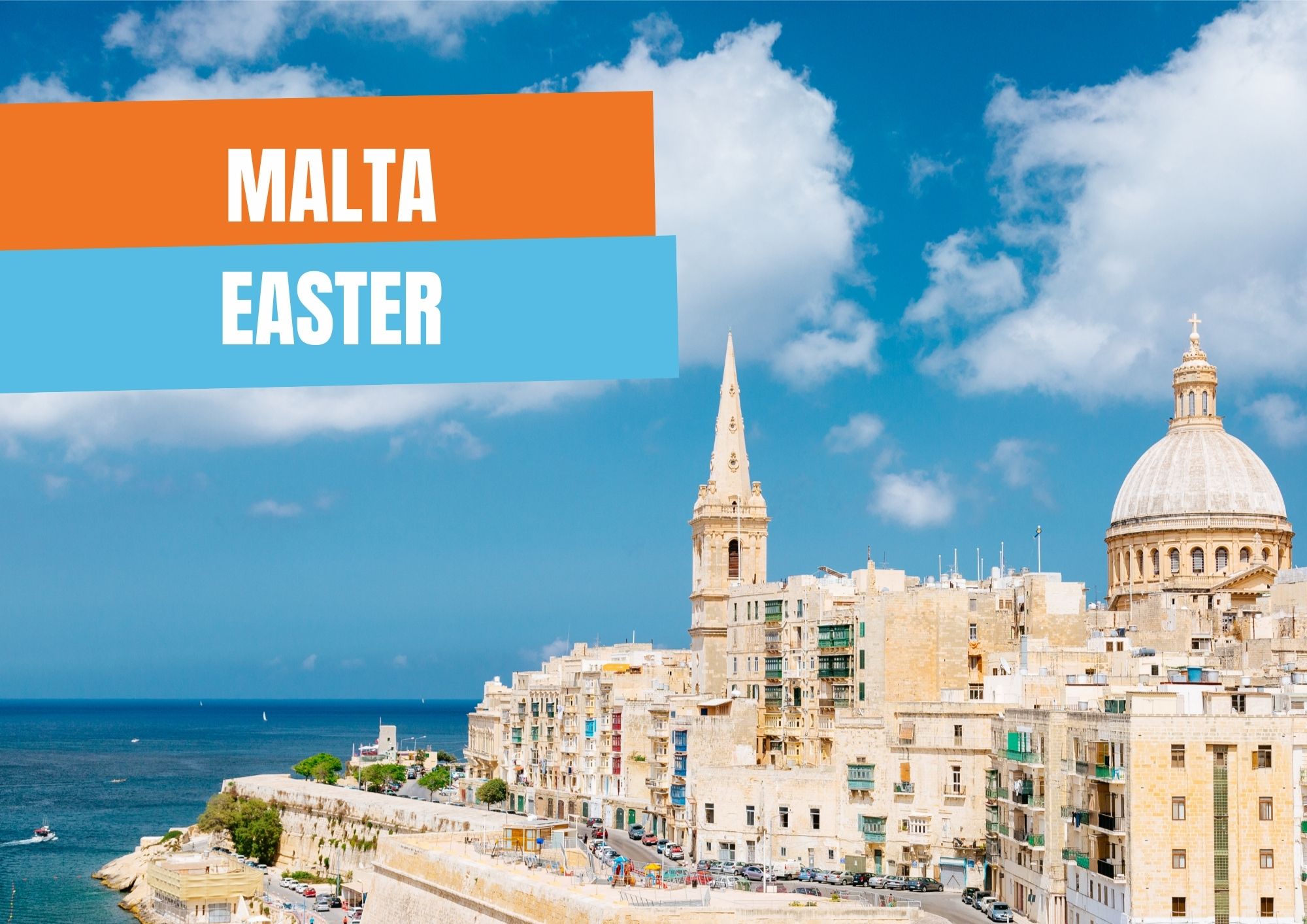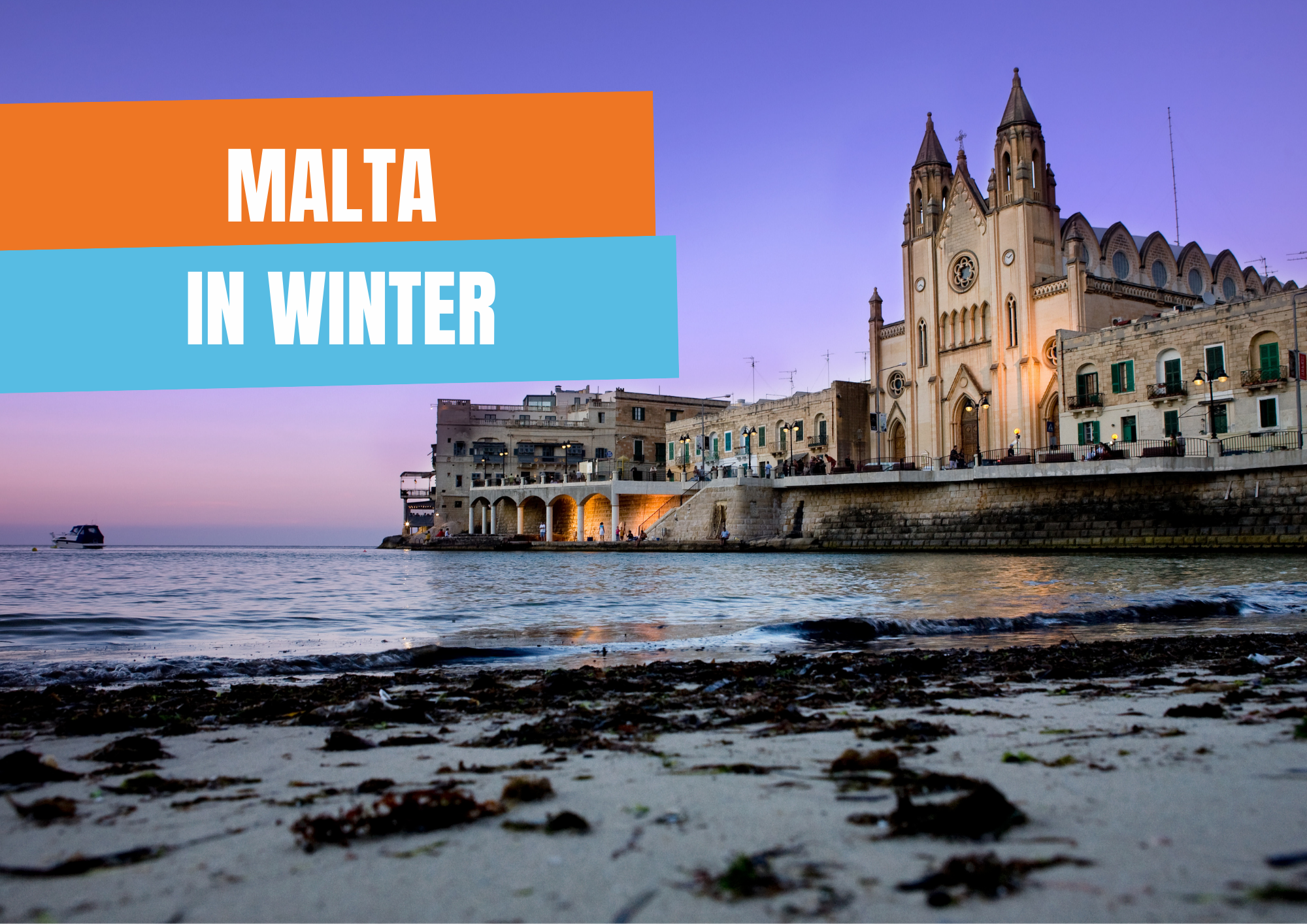

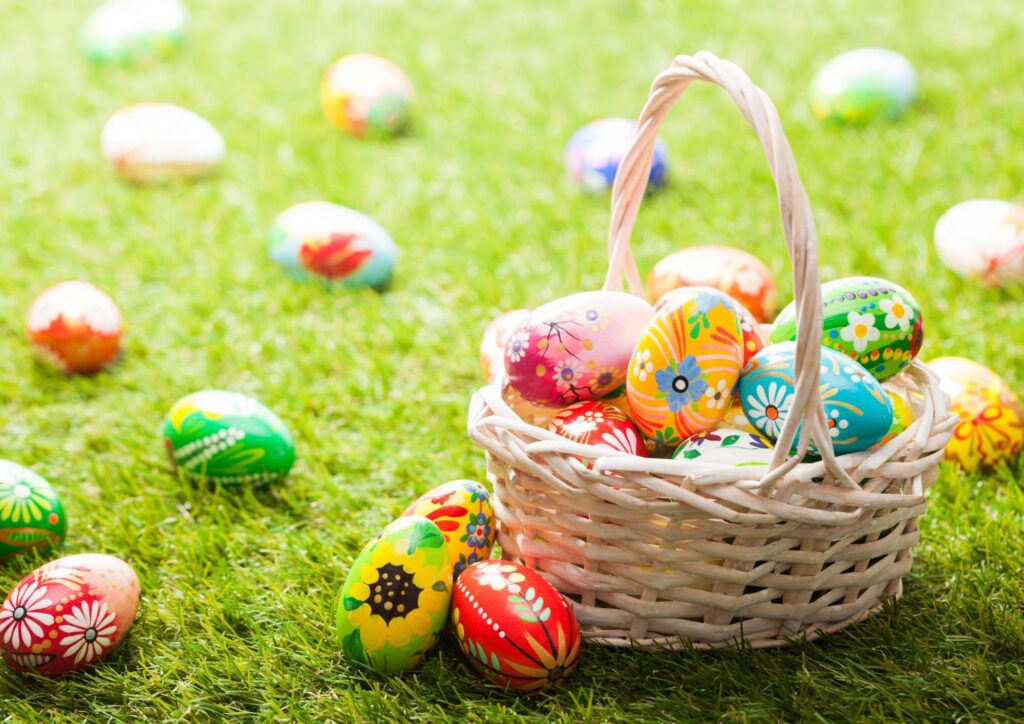
Easter in Malta offers visitors, locals and holiday makers the perfect mix of seasonal beauty, age-old traditions and an atmosphere that feels both calm and culturally charged. Travellers who are planning for an Easter visit to Malta this year will find April to be one of the most rewarding periods to experience the islands.
This is the time of year when the countryside is at its most vivid, covered in emerald green – a time when the festivals are just starting and the islands welcome visitors with a slower, more authentic pace than that experienced during the high summer season.
What’s the weather like during April?
April is widely regarded as Malta’s “green month”, the short interval in which winter rains have transformed the landscape visually and the summer heat has yet to kick in. Average daytime temperatures are around 18–20°C, creating prime conditions for walkers, cyclists or anyone else who is curious about exploring Malta’s rural areas. For those researching Malta weather in April for their holiday planning, this is the season that strikes the sweet spot between mild warmth and outdoor-friendly conditions.
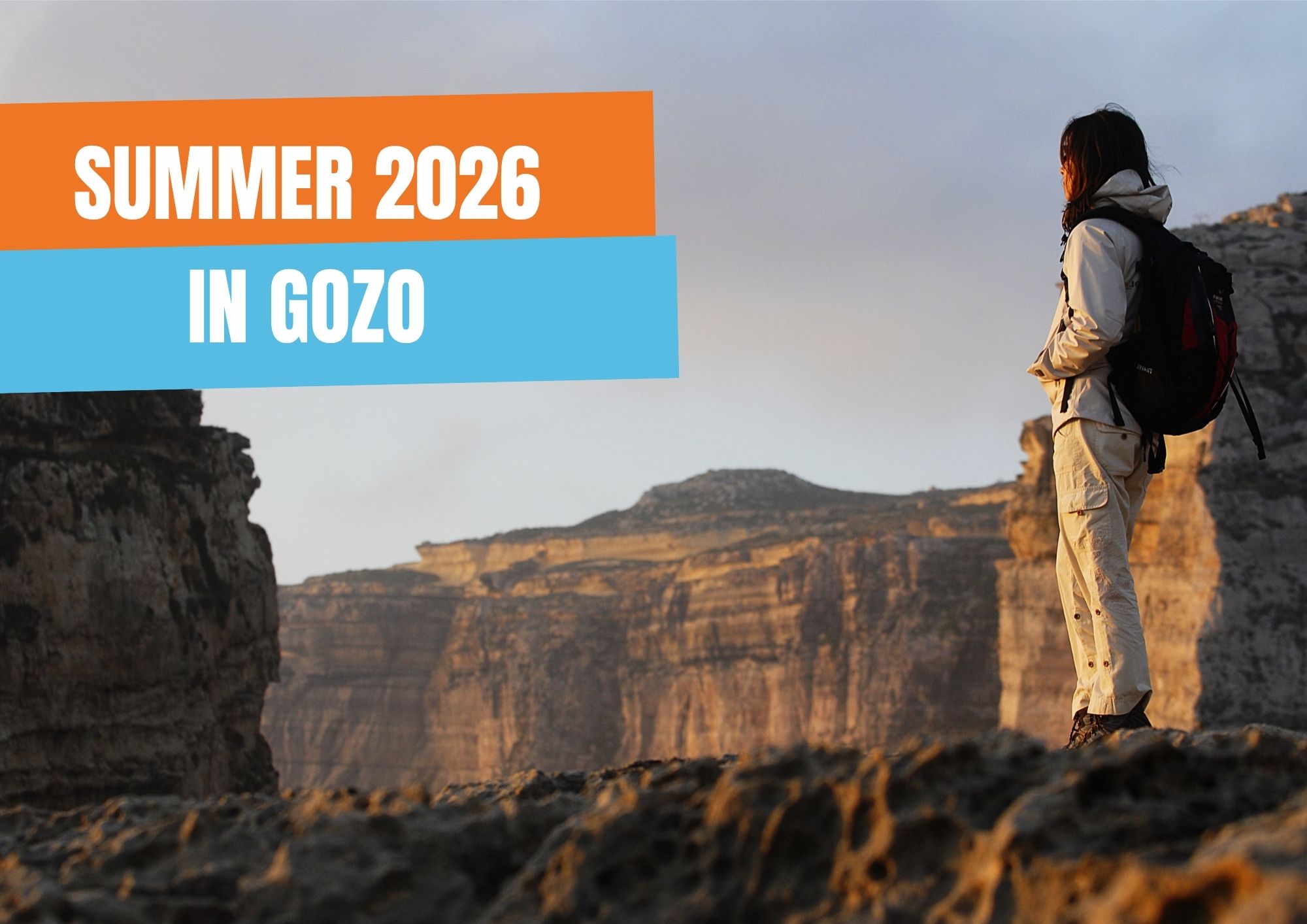
The islands’ hiking trails are especially appealing in early spring: the coastal routes of western Malta, the rustic paths around Mellieha and the terraced countryside of Gozo are accessible, scenic and less crowded than in the peak months. Visibility is typically clear and the cooler breezes make exploration a comfortable experience.
Although April is not traditionally labelled as a swimming month, it does not exclude eager beachgoers. Sea temperatures hover around 16–17°C, making dips refreshing for confident swimmers. Those wondering “Can I already go to the beach in April in Malta?” will find that sheltered bays are pleasant for sunbathing and those brave enough can dip a toe in the water already.
Easter traditions and events
The Easter period is among Malta’s most culturally expressive moments and is shaped by centuries of Catholic heritage. Good Friday, which in 2026 falls on 3 April, is the focal point of the solemn side of the season. Towns and villages across the islands organise structured processions featuring large, sculpted statues representing the Passion, accompanied by groups of penitents. These processions are a focal point for anyone looking to attend the Good Friday processions in Malta or Gozo, as they form the heart of Easter week across the islands. Local participation remains strong, with notable events taking place in towns such as Birgu and Qormi, where the atmosphere blends devotion, tradition and communal identity. Here are some valuable insights for anyone interested in attending:
- The week leading up to Easter
- The first significant observance is the procession of Our Lady of Sorrows, held on the Friday before Good Friday. Known locally as Id-Duluri, this is one of the most moving rituals of the season. Crowds walk behind the statue of Our Lady of Sorrows while devotees, many barefoot or wearing chains as a sign of penance, accompany the procession. It sets a reflective tone across the islands.
- Palm Sunday marks the next step in the journey. Towns such as Ghaxaq, Gharghur, Qala and Rabat host processions in which palm leaves and olive branches are blessed, signalling the beginning of Holy Week. These events attract both local families and visitors drawn to the visual richness of the occasion.
- Maundy Thursday and the Seven Visits
- On Maundy Thursday, the islands adopt a more meditative rhythm. The traditional Seven Churches Visitation sees thousands of people travel quietly from one church to another between Thursday evening and the early hours of Good Friday. While not a procession in the formal sense, it is deeply embedded in Maltese Easter observance.
- In Siggiewi, the evening takes on a dramatic quality with a torch-lit procession leading up to the hilltop Laferla Cross. The flickering light against the rugged landscape creates one of the most atmospheric scenes of the entire week.
- Good Friday processions
- Good Friday, which in 2026 falls on 3 April, is the solemn centrepiece of Easter in Malta. Major towns begin their processions between 17:00 and 17:30, unfolding over several hours. These events draw large crowds and with good reason: they are among the most impressive public rituals in the Maltese calendar.
- Each procession features between eight and twelve life-sized statues representing key moments from the Passion of Christ, carried by teams of pallbearers. Between the statues, participants walk dressed in Biblical and Roman attire. Penitents in hooded white robes, sometimes dragging chains in fulfilment of a vow, add to the gravity of the moment.
- Several locations stand out for their distinctive traditions. Valletta’s procession, departing from the Ta’ Giezu Church, is one of the oldest. Zebbug presents one of the most elaborate spectacles, involving hundreds of participants and even horses. Qormi and Zejtun are recognised for featuring twelve statues rather than the traditional eight, while the historic streets of Birgu offer a procession that dates back to the 17th century. In Gozo, towns such as Xaghra and Victoria host exceptionally moving observances of their own.
- Easter Sunday celebrations
- Two days later, the islands transform. Easter Sunday is joyful, lively and full of sound. Church bells ring out and communities gather in anticipation of the morning processions. The defining moment is the Running of the Risen Christ, a tradition unique to the Maltese Easter experience. As the procession concludes, the bearers lift the statue of the Risen Christ and sprint back towards the church, greeted by cheering crowds, confetti and the quickening tempo of village bands.
- Vittoriosa’s 10:00 am run is among the most renowned, while Cospicua and Qormi draw large audiences for their spirited celebrations. In Rabat on Gozo, the procession is admired for its artistic statue and the strong community participation that accompanies it.
Essential guidance for attendees
Travellers planning to experience these events should be aware of a few practical considerations. Many town centres close to traffic several hours before each procession, and arriving one to two hours early is advised, particularly in popular locations such as Zebbug or Valletta. On Good Friday, the atmosphere is intentionally solemn and quiet; respectful conduct is expected throughout.
Easter Sunday brings an immediate shift in tone. The renowned “run” with the Risen Christ sees volunteers racing uphill through crowded streets while carrying a statue of Christ. This moment embodies the celebratory spirit of Easter in Malta and the lively turnout transforms village squares into social gatherings. For visitors planning their Easter in Malta 2026 events itinerary, this is one of the most energising and memorable spectacles to witness.
Maltese Easter food
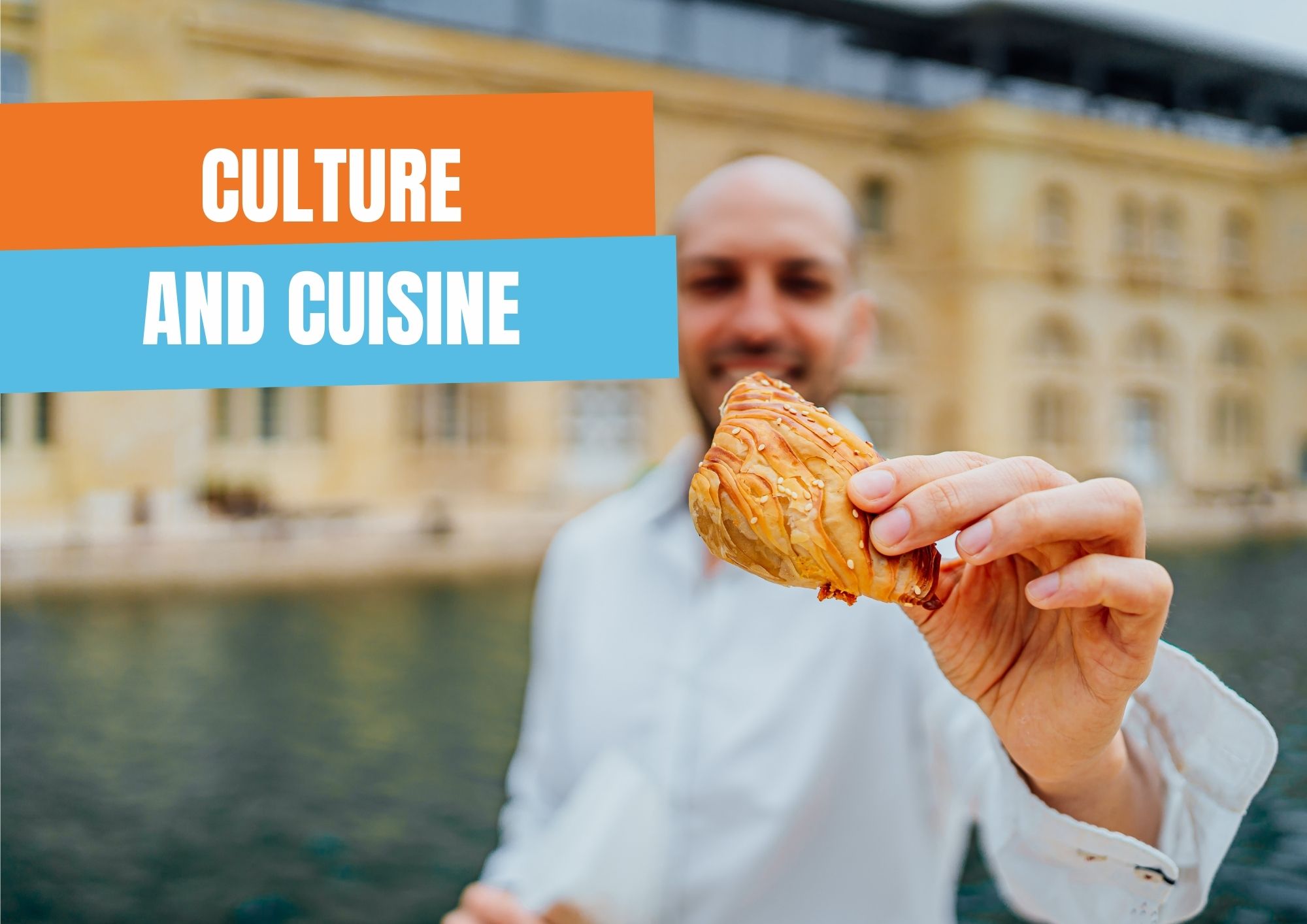
Easter in Malta is closely associated with its confectionery. Traditional Maltese Easter food is a cultural touchpoint and two iconic sweets (at the top of our list) dominate the season.
· Traditional Maltese Easter Sweets
o Figolla
Almond-filled pastry, often shaped as hearts, lambs, fish or other symbolic forms. Glazed or decorated with icing and enjoyed on Easter Sunday.
o Kwarezimal
A dense, spiced, almond-and-honey biscuit traditionally linked to Lent. Chewy, aromatic and often topped with crushed nuts or citrus zest.
o Qaghaq tal-Appostli (Apostles’ Ring Bread)
A ring-shaped bread topped with sesame seeds, associated with Maundy Thursday. Sometimes given as gifts during Easter week.
o Qubbajt (Maltese Nougat)
Commonly sold at festas but also eaten around Easter. Comes in soft and hard varieties made with nuts, honey or sugar.
o Figolli tar-rahal (Village-style Figolli Variants)
Rustic, less-decorated versions of figolla often made in traditional village bakeries, with thicker almond filling and a simpler finish.
Traditional Maltese Easter Dishes
o Stuffat tal-Fenek (Rabbit Stew)
While eaten year-round, this dish often appears during family gatherings around Easter, especially on Easter Sunday.
o Lamb Dishes
Roast lamb or lamb stews are classic Easter meals in Malta, tied to Christian symbolism and long-standing local culinary tradition.
o Bajtar u Tin (Prickly Pears and Figs – dried or preserved)
Not an Easter-only food, but commonly served on Easter tables alongside nuts and dried fruits.
o Qaghaq tal-Hmira (Sweet Yeast Ring)
A lightly sweetened, brioche-like bread ring eaten during the Easter season, sometimes flavoured with aniseed.
o Fried Lampuki (when available frozen)
Families often use frozen lampuki (elsewhere known as mahi-mahi or dorado) to prepare light fish dishes on Good Friday, keeping with the tradition of avoiding meat.
o Aljotta (Fish Soup)
A Good Friday favourite for households observing the traditional no-meat rule.
Prices and crowds during this time
April sits firmly within Malta’s shoulder season, offering a balance between cultural vibrancy and manageable visitor numbers. Compared to August, accommodation and general travel costs are more favourable, making spring particularly appealing for those searching for holiday rentals in Malta.
Historic sites, coastal towns and urban centres retain a welcoming energy without the crowding typical of high summer. The islands’ cultural calendar also becomes active during this period, offering events, exhibitions and community gatherings that reflect everyday Maltese life rather than peak-season programming.
For travellers seeking a comfortable and flexible base, our selection of short-let properties is extensive, with options ranging from harbour-facing apartments to family-oriented homes.
Where to stay and how Malta Holiday Lets can help
Malta Holiday Lets supports travellers by offering high-quality short-let accommodation across Malta. Whether proximity to Easter events, access to hiking routes or quiet coastal stays are your priority, our portfolio meets a variety of preferences. Guests also benefit from local support, practical guidance and personalised recommendations for Easter week and beyond.
For those who, during their stay, develop an interest in long-term living or investment opportunities on the islands, our parent company, Frank Salt Real Estate, provides a full spectrum of services. This includes short-lets, long lets, property sales and acquisitions, relocation advisory, concierge assistance, support with tax and legal matters, ongoing property management and professional home interior services. Travellers who fall in love with areas such as Valletta, Sliema, Marsaskala or the villages of Gozo often transition from short-term visits to exploring permanent or semi-permanent residency.
Recap Q & A: Planning Easter in Malta 2026
- What is the weather like in Malta during Easter?
The weather is mild and pleasant, averaging 18–20°C during the day, with bright spells ideal for outdoor activities.
- When are the Good Friday processions in Malta 2026?
Good Friday is on 3 April 2026. Major processions will take place in towns including Birgu, Qormi, Zejtun, Valletta, Rabat and others. Always look online at sites such as https://www.maltainfoguide.com/easter-sunday-in-malta.html or VisitMalta for precise and up-to-date information.
- Where is the best place to stay in Malta for Easter?
Harbour towns suit those interested in cultural events, northern Malta appeals to nature-focused travellers. Malta Holiday Lets provides well-located properties in all these areas.
- Is April a good time to visit Malta for a holiday?
Yes. It is the month with ideal weather, fewer crowds, active cultural events and better value for accommodation.
- What are the traditional Easter sweets in Malta?
Figolla and kwarezimal are the most iconic Easter treats, widely enjoyed across the islands.
- Can I already go to the beach in April in Malta?
Yes, beaches can be enjoyed for sunbathing and relaxing, though the sea remains cool for some swimmers.
- Is Malta very religious?
Malta has strong Catholic roots and Easter remains an important cultural period. While traditions are widely observed, the environment is welcoming to visitors of all backgrounds.
Your Easter getaways planning made easy
Easter in Malta brings together everything that makes spring travel compelling: temperate weather, meaningful traditions and a natural landscape at its most expressive. Whether the focus is cultural immersion, outdoor exploration or simply an early-season break in a peaceful setting, April offers an exceptional experience.
For those planning Easter in Malta in 2026 or researching Malta weather in April for holiday insights, securing accommodation early is essential. With the combined expertise of Malta Holiday Lets and the comprehensive service ecosystem of Frank Salt Real Estate, every aspect of your journey can be supported seamlessly, from the initial booking to long-term considerations.
Reserve your Easter 2026 stay now and let our trusted local specialists shape a spring holiday that is immersive, effortless and unforgettable.