
For visitors and locals willing to look beyond the peak of summer, Malta in winter reveals an island shaped by community spirit and quiet beauty. From November through February/March, the archipelago slows to a pace that allows its rich, layered history and living culture to come into sharper focus, making it a different and arguably richer way to experience the country. Winter holidays are defined by festivals, food, walking weather, exploration and an authenticity that is somewhat harder to access to its fullest during the busier, hectic summer months.
A season defined by culture rather than crowds
The Malta off-season coincides with a cultural calendar that is dense, varied and deeply rooted in local life. Winter is when Maltese communities reclaim their public spaces, churches and theatres, creating an atmosphere that feels participatory rather than performative.
- November has already seen the Three Palaces Festival, a classical music event that takes place in historic venues such as the Grand Master’s Palace and Verdala Palace. The concerts are as much about the settings as the performances, offering rare access to interiors that are usually closed or restricted.
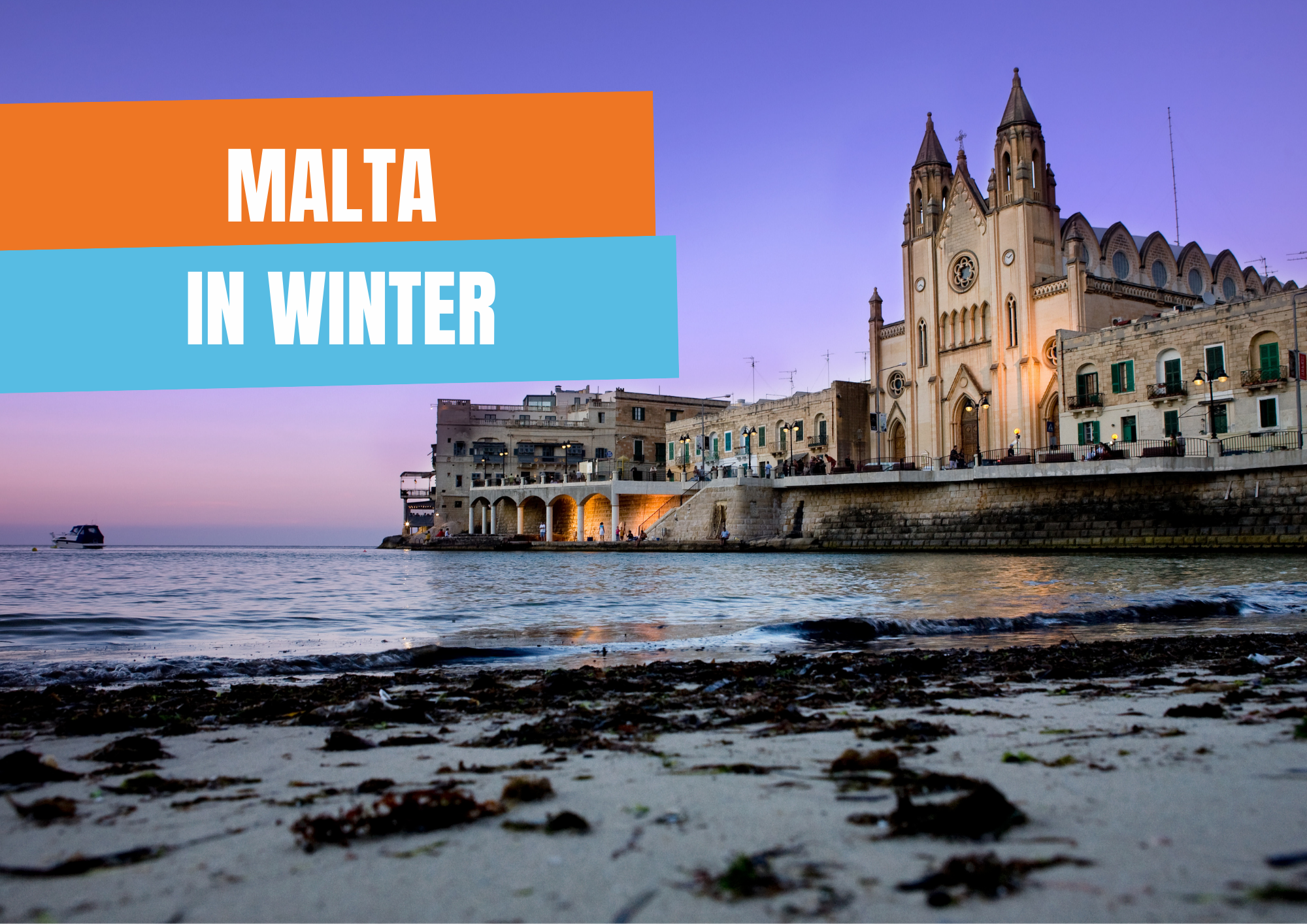
- December brings a quieter but no less evocative programme. Christmas in Malta is marked by elaborate nativity scenes known as presepji, displayed in front of churches, in homes, parish halls and museums.
- The village of Ghajnsielem in Gozo hosts a live nativity that transforms fields into a working biblical-era settlement, a complete settlement with houses, outbuildings, crafts, a bakery and even live animals. It is immersive without being theatrical, reflecting a tradition that remains part of everyday religious life.
- January and February are dominated by Carnival, particularly in Valletta, Floriana and Nadur in Gozo. While summer festas celebrate patron saints, Carnival has a more playful edge, with satire, costume and music taking centre stage. Nadur’s spontaneous night-time carnival is especially distinctive, drawing in thousands of locals and visitors.
Valletta and the Three Cities at their most rewarding
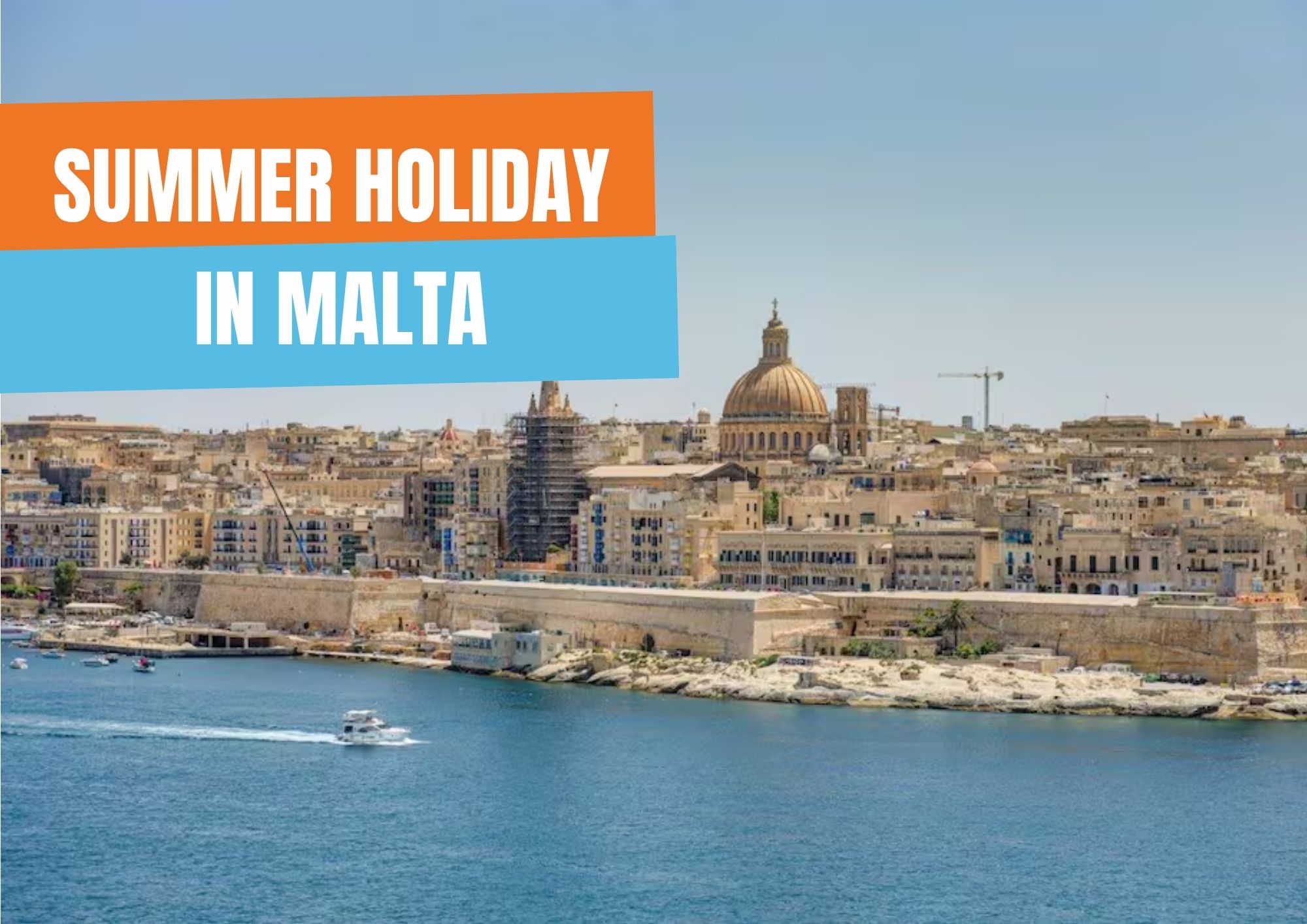
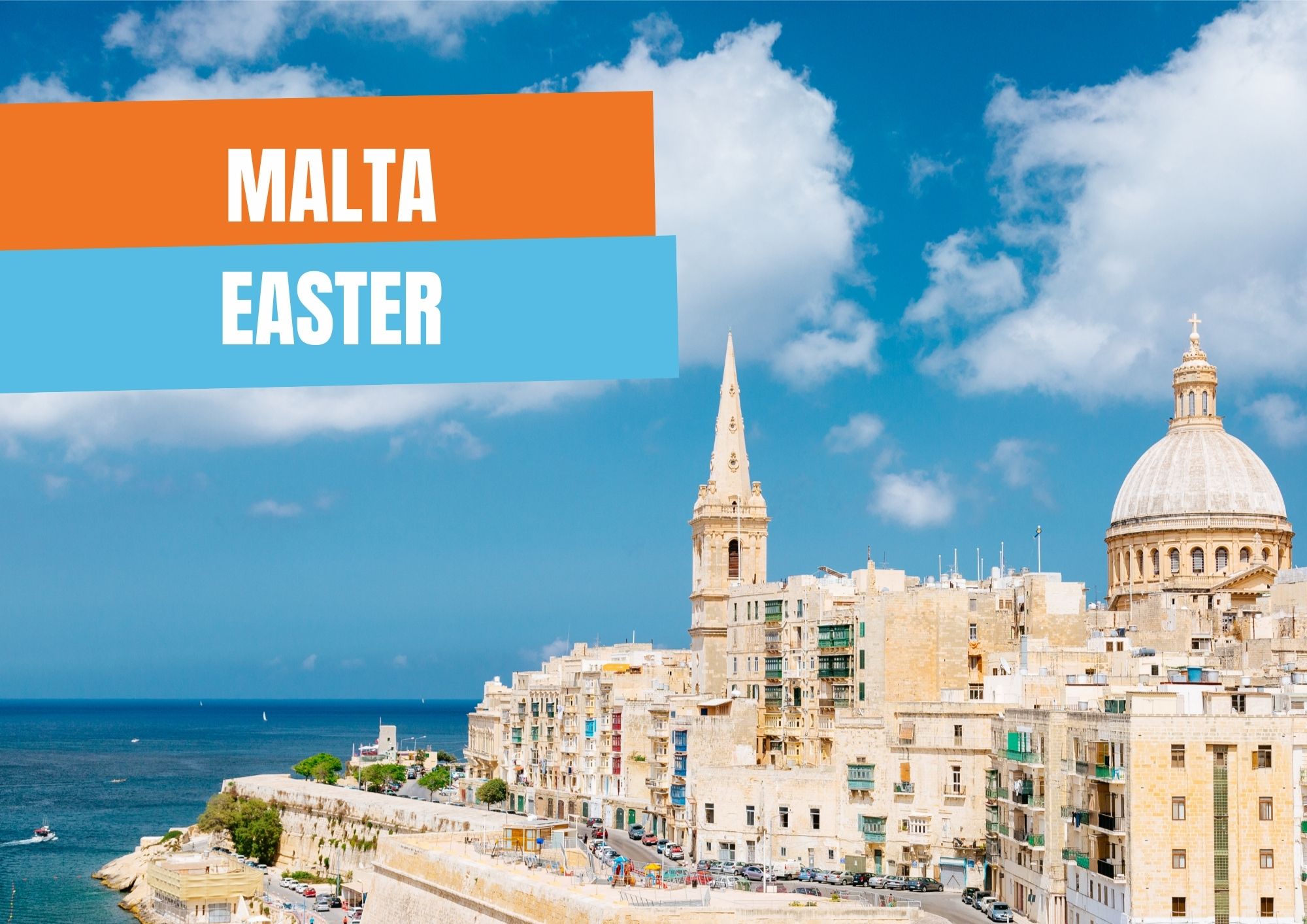
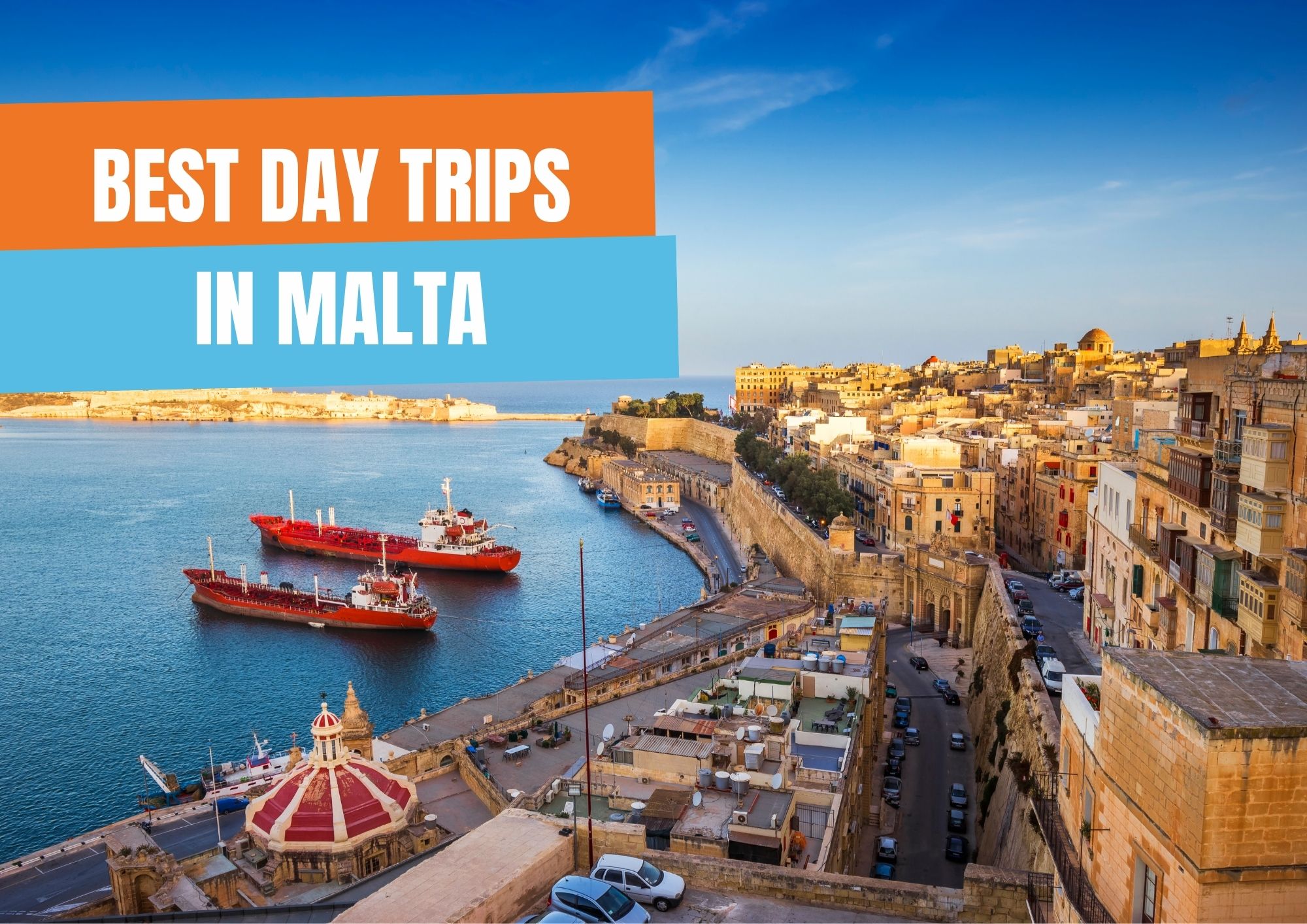
- Valletta in winter feels like a working capital rather than an open-air museum. With fewer tour groups, it becomes easier to appreciate the city’s scale and detail, from the magnificent beauty of St John’s Co-Cathedral to the contemporary exhibitions at MUŻA and Spazju Kreattiv. Cafés and wine bars remain busy, particularly in the evenings, offering a social warmth that contrasts with the cooler air.
- Across the Grand Harbour, the Three Cities of Vittoriosa, Senglea and Cospicua are among the most rewarding places to explore during winter. Their narrow streets and layered architecture invite unhurried wandering, while maritime museums and small parish churches provide insight into Malta’s naval past. Winter light softens the limestone, making the area a delight for keen photographers, but then that can be said for most of the historic villages across the islands.
Walking, nature and the appeal of cooler weather
One of the most overlooked things to do in Malta in winter is immersing oneself in nature. Temperatures are mild, typically ranging between 12 and 18 degrees, making it ideal for exploring coastal paths, countryside trails and urban exploration. The Dingli Cliffs offer expansive views without summer haze, while the paths around Ghar Lapsi and Fomm ir-Rih reveal a wilder side of the island.
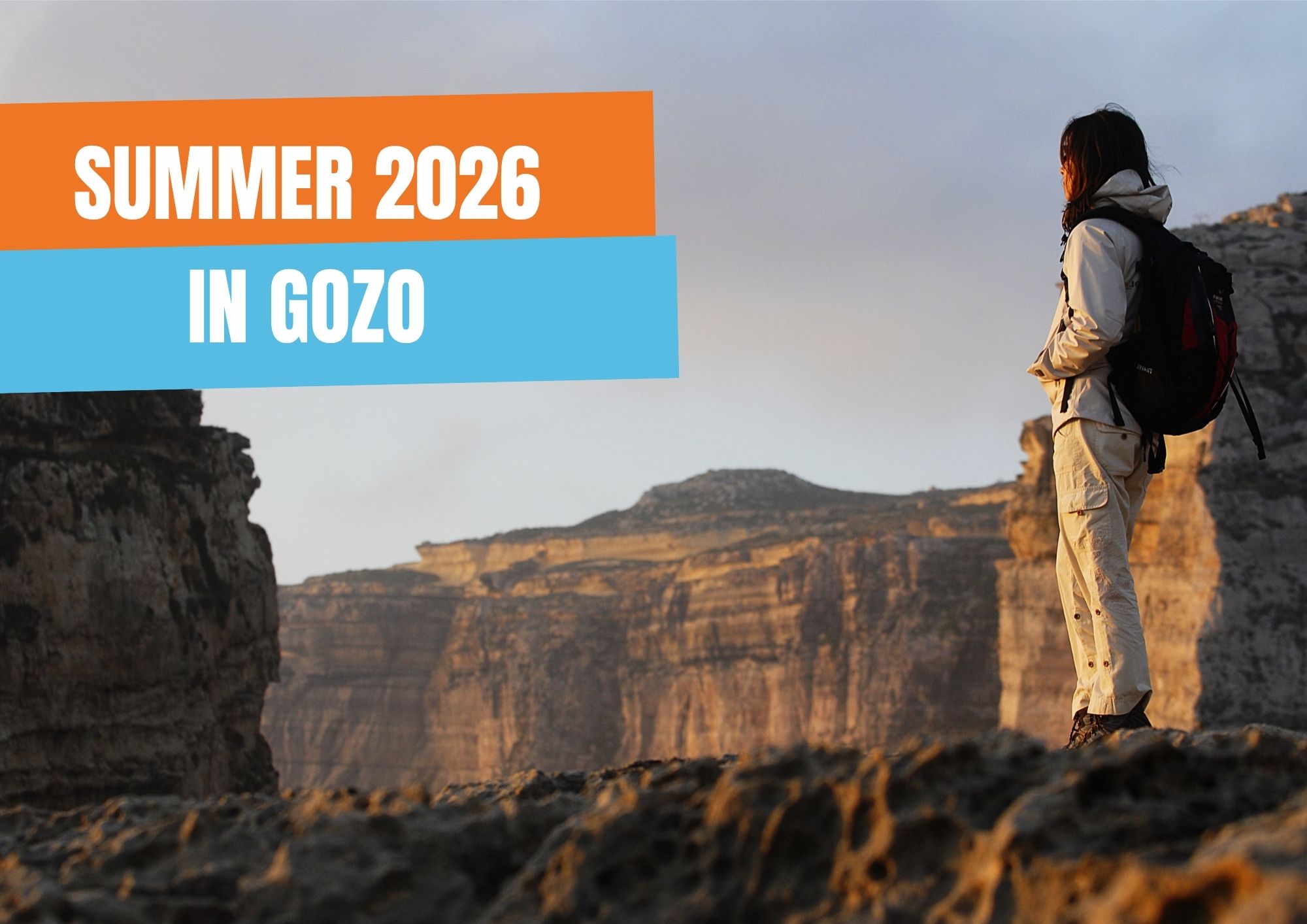
For day-trippers, Gozo also comes into its own during winter months. The island’s rural character is more pronounced, fields are green and villages exude a renewed charm. Walks around the Citadel in Victoria or along the northern coastline near Marsalforn are both invigorating and reflective, particularly when followed by a long lunch in a family-run restaurant. During Christmas time, many houses in the rural villages go all out in their decorations and most of the local city councils also decorate the approach and entrances to their respective towns in an array of stunning Christmas lights. When in Gozo, do not forget to visit the Sanap Cliffs near the village of Sannat, which offers breathtaking views of the rugged coastline on the western side of the island.
A food scene aligned with the season
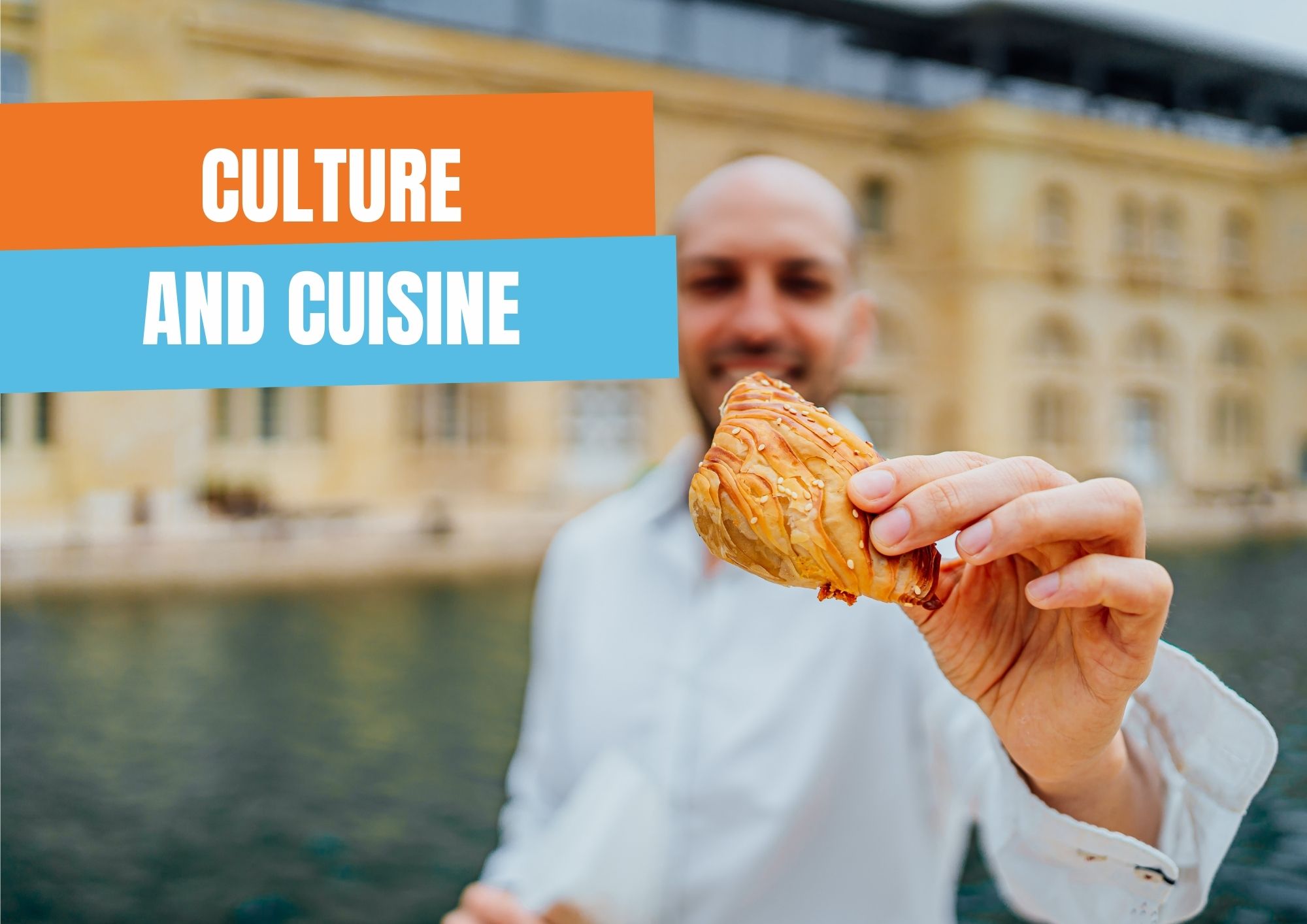
Winter dining in Malta favours substance and tradition. Menus lean towards slow-cooked dishes such as braised rabbit, beef olives and baked pasta, often accompanied by local wines that are increasingly gaining recognition. Village festas may be fewer, but local markets and small bakeries remain active, offering seasonal pastries and savoury snacks.
January also sees Valletta Restaurant Week, which encourages both locals and visitors to explore established dining rooms at accessible prices. It is an excellent way to sample Malta’s evolving culinary identity without the pressure of peak-season reservations.
Where to stay for an authentic winter break
Accommodation plays a significant role in shaping a winter experience. Self-catering properties are particularly well suited to longer stays, offering flexibility and a sense of belonging. Malta Holiday Lets specialises in offering holiday homes across Malta, ranging from historic townhouses to modern apartments. As a Frank Salt Real Estate company, Malta Holiday Lets combines local expertise with professional standards, ensuring properties are well maintained and thoughtfully located.
For travellers planning winter holidays Malta-wide, this approach allows for complete immersion in all that is happening in residential neighbourhoods, easy access to cultural events and the freedom to adapt plans around the weather or festivals. Winter is also the time when many families book short-let properties where everyone can get together and reminisce about the past year and wonder what is in store for the new one ahead.
Why winter reveals Malta at its most honest
Malta in winter is not about ticking landmarks off a list. It is about context, continuity and exploring wherever you are, at a leisurely pace. The island’s scale makes it easy to engage, while the off-season seemingly removes any barriers between visitors and residents and cultural events are attended because they matter, not because they are marketed.
Winter days are shorter, meals are longer and conversations less hurried. Museums and heritage sites become places for reflection rather than brief stops and even familiar streets invite repeat visits as light, weather and daily routines alter their character. For returning travellers, this slower tempo offers the chance to see how Malta functions beyond the postcard version of itself.
Malta winter cultural calendar: December 2025 to March 2026
The calendar below highlights major cultural events, national celebrations and seasonal experiences taking place across Malta and Gozo from December 2025 through to the very end of winter, that being March 2026. Dates marked as estimated reflect events that follow long-established annual patterns, with final programmes typically confirmed closer to the time. To ensure exact dates, always consult online websites for each.
December 2025
- 29 November 2025 – 6 January 2026
Villa Rundle Illuminated Gardens, Victoria (Gozo)
A festive transformation of the public gardens with light installations, music, food stalls and evening events. - 23 – 30 December 2025 and early January 2026
Christmas pantomimes and theatre productions
Seasonal pantomimes and family performances staged in theatres across Malta and Gozo, particularly in Sliema and Victoria. - 31 December 2025
New Year’s Eve celebrations
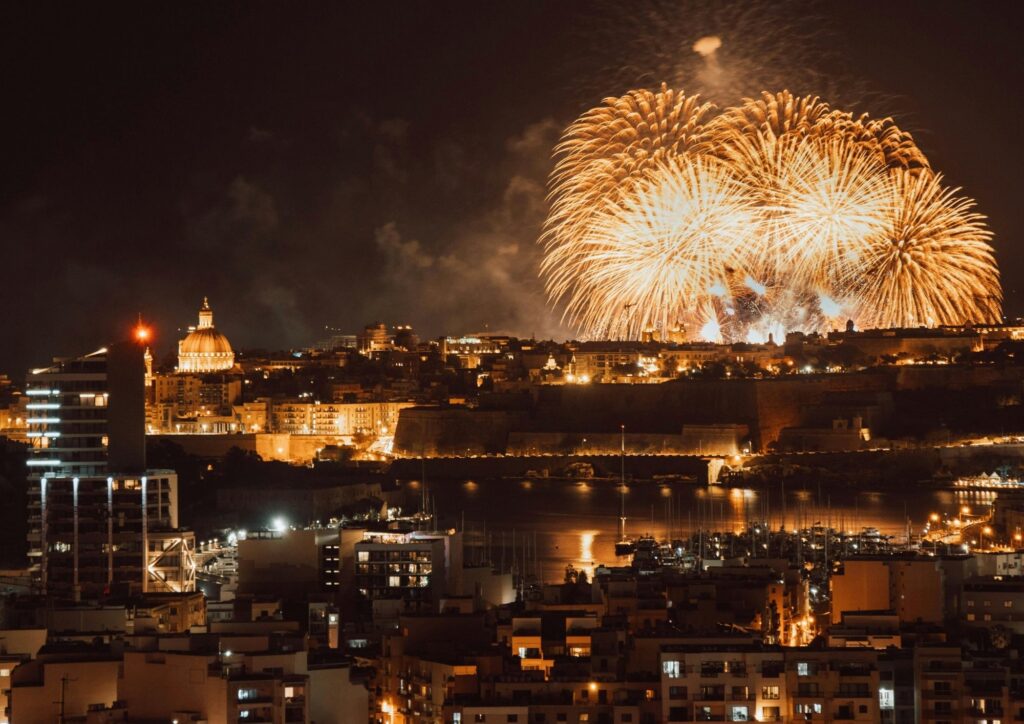
Public countdown and fireworks in Valletta, centred around St George’s Square, alongside parallel celebrations in Victoria, Gozo, with live music and firework displays.
January 2026
- 8 – 25 January 2026
Valletta Baroque Festival
An internationally recognised classical music festival held in historic palaces, churches and concert halls across Valletta and selected locations beyond the capital. - January – early March 2026
Carnival exhibition at Spazju Kreattiv
A contemporary exhibition exploring Carnival traditions through visual art, performance and installation.
February 2026
- 13 – 17 February 2026
Carnival (Il-Karnival ta’ Malta)
Colourful parades, costume competitions and street performances in Valletta and Floriana, with a more spontaneous and satirical version of Carnival taking place in Nadur, Gozo. - 10 February 2026
Feast of St Paul’s Shipwreck (Public Holiday)
Religious processions and cultural observances marking one of Malta’s most significant historical and religious events, particularly prominent in Valletta. - Mid-February 2026
Valentine’s concerts and candlelit performances
A programme of romantic music events and intimate concerts hosted by cultural venues across the islands.
March 2026
- 19 – 21 March 2026
Muzika Muzika Festival
A celebration of Maltese music, featuring live orchestral performances and contemporary interpretations of traditional songs in major venues.
Throughout March
- Seasonal arts programming
Theatres, galleries and cultural spaces host spring exhibitions, concerts and lectures, often reflecting local heritage and modern creative practice.
Ongoing seasonal highlights
- Winter and early spring
Small-scale parish feasts, lectures, community concerts and local exhibitions take place throughout residential neighbourhoods. While less publicised than summer festas, these events offer insight into everyday cultural life. - Museums and galleries
National museums and contemporary art spaces run rotating exhibitions year-round, with winter and spring often favouring longer, more reflective shows.
Want to experience the Malta Winter Magic?
If you are planning to explore Malta in the off-season with insight and comfort, consider basing yourself in a professionally managed holiday home that places you close to the cultural heart of the islands. Explore the range of properties available through Malta Holiday Lets and start planning your winter break to experience a different, magical side of Malta!